ENVIRONMENTAL
EU RoHS Directive — Restriction of Hazardous Substances
The EU RoHS framework restricts specified hazardous substances in electrical and electronic equipment. RoHS is regulatory compliance rather than a universal standalone certification. Demonstrating conformity typically requires product-scope analysis, supply-chain material evidence, risk-based assessment, technical documentation, declaration, and CE-related obligations where applicable.
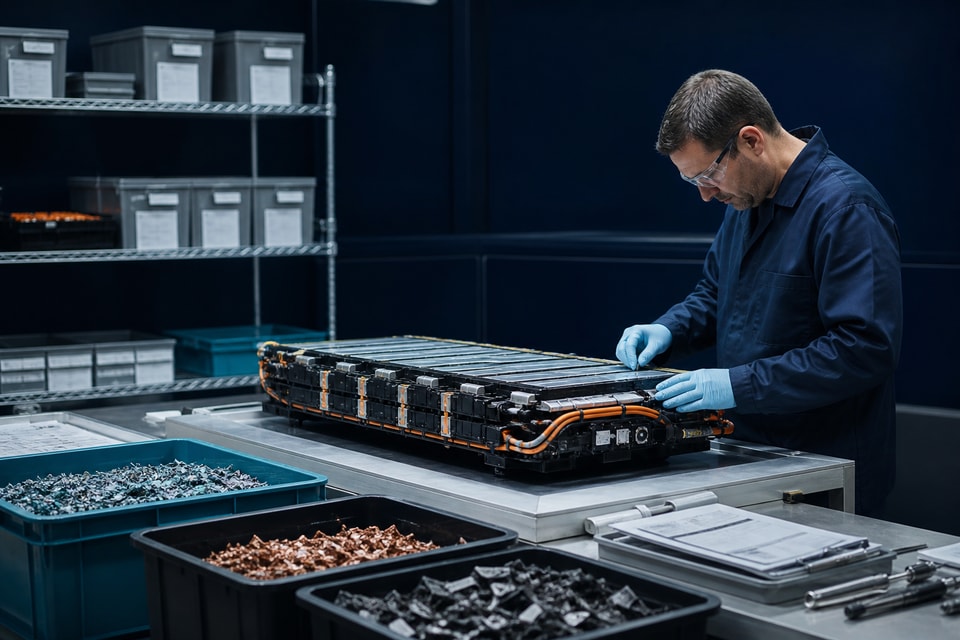
When it matters
It matters when electrical or electronic equipment is placed on the EU market and falls within RoHS scope. Applicability depends on product category, exclusions, exemptions, spare-part provisions, homogeneous materials, operator role, and amendments adopted in the relevant jurisdiction.
Key considerations
- Restrictions apply at homogeneous-material level, not only to finished products.
- Exemptions are substance-, application-, and time-specific and require monitoring.
- Supplier declarations alone may not adequately support every material-risk assessment.
Project preparation
- Determine product scope, exclusions, exemptions, and economic-operator responsibilities.
- Build material declarations, supplier evidence, drawings, and risk-based test plans.
- Maintain technical documentation and monitor exemption or substance-list amendments.
Build traceable material evidence early
Discuss your projectRelated compliance topics

Jiangsu Yongchang New Energy Technology Co., Ltd. and Shanghai YC Electrotech Co., Ltd. deliver certified lithium battery solutions backed by 15 years of experience, a 30,000 m² manufacturing base and exports to 100+ countries and regions.
NAVIGATION
CERTIFICATIONS
- CE & CCC
- IEC 62133 & GB/T 28164
- UN38.3 & MSDS
- RoHS, CB & REACH
CONTACT US
- Gaoqiao, Houxian, Danbei Town, Danyang City, Jiangsu Province 212300, China
- Tel: +86 511 8639 1768
+86 189 5282 5827
+86 189 1283 8663 - Email: contact@yc-batteries.com
- Web: www.yc-batteries.com