Two‑wheeler
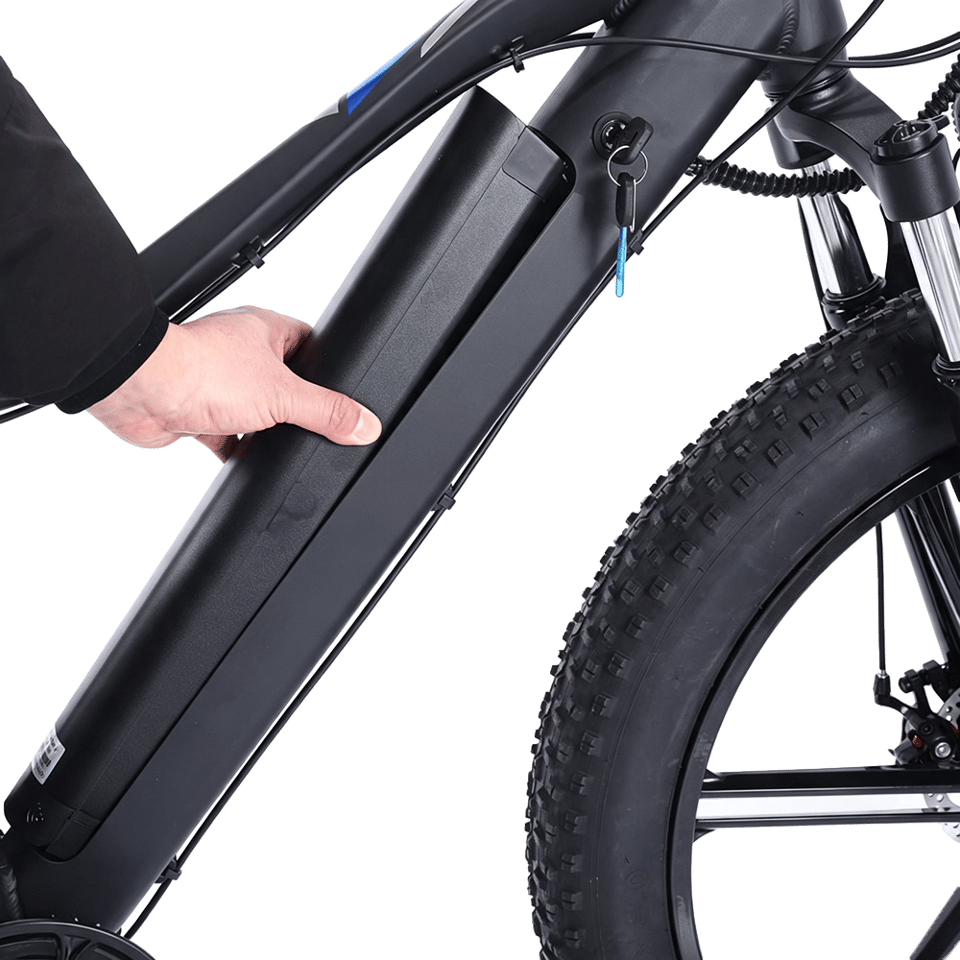
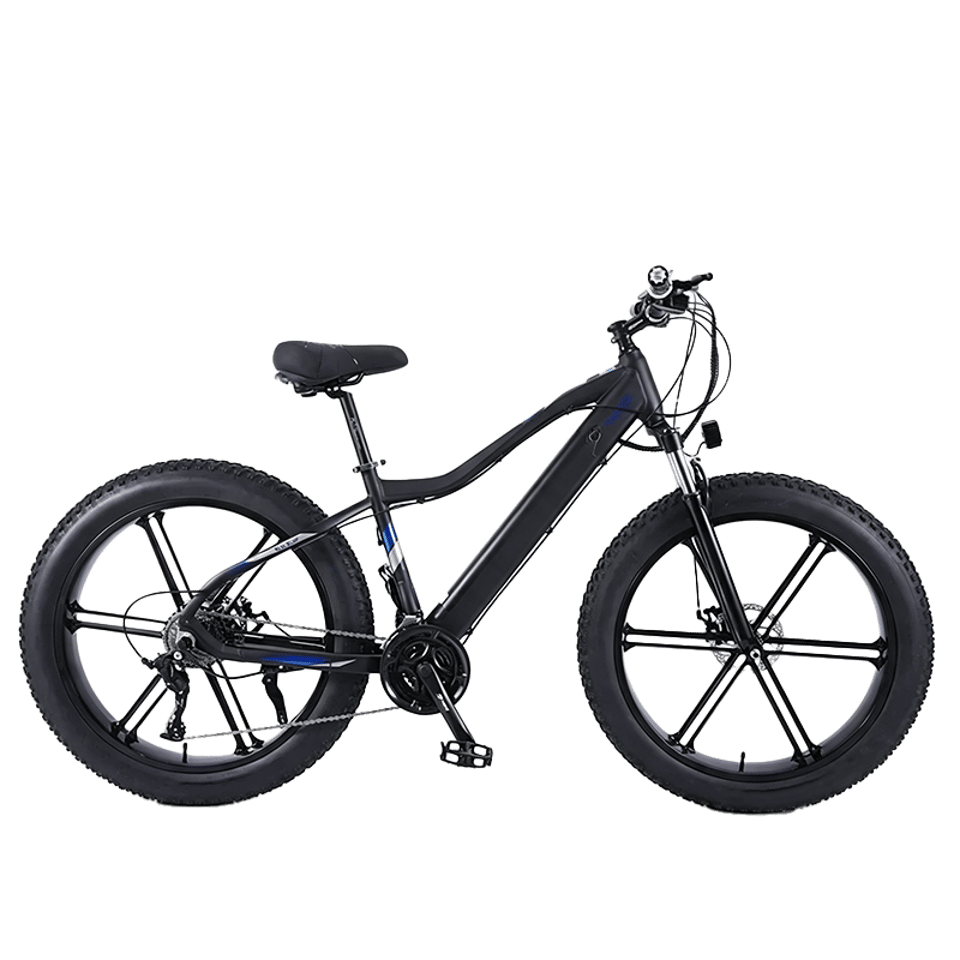
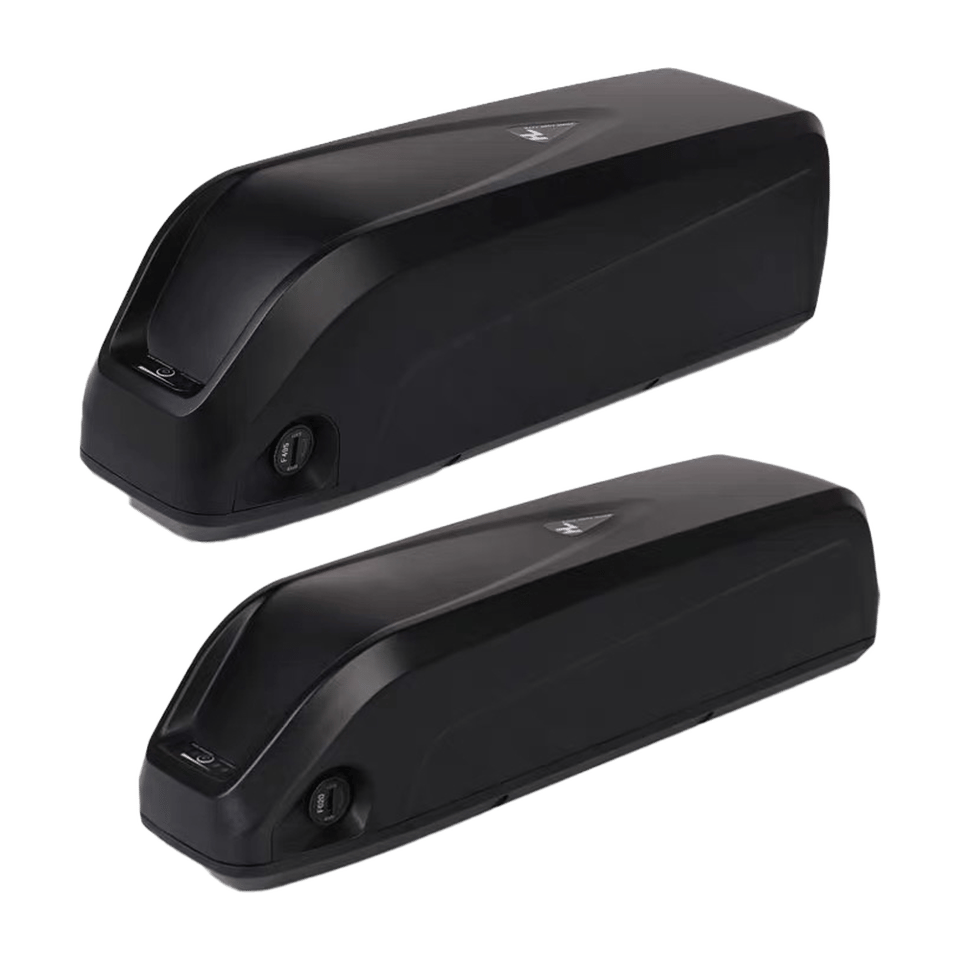
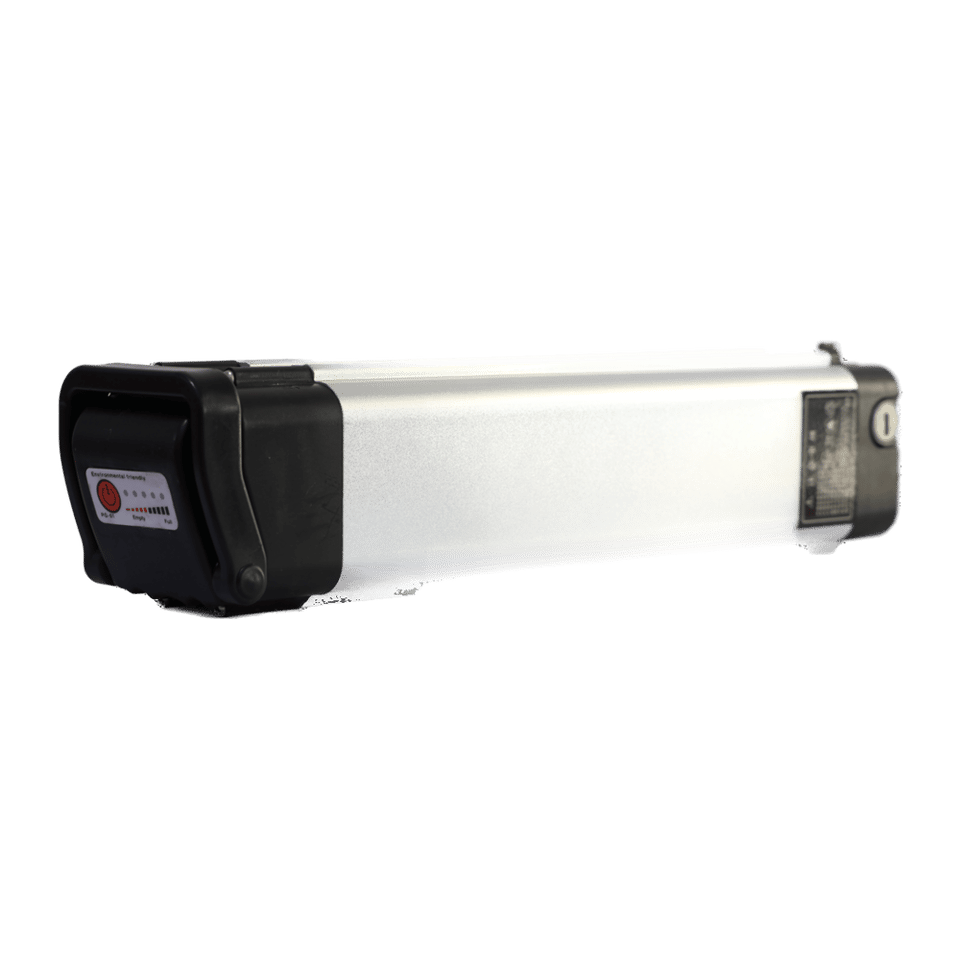
Battery pack specifications | Cell model | Typical capacity | Battery energy |
48V 20Ah NCM | 18650-2600mAh-3.6V | 20Ah | 960Wh |
Max. Charge Current | Max. Continuous Discharge Current | Size | Weight |
10A/0.5C | 30A/1.5C | 280X170X75mm±2mm | ≈7.0kg |
Working temperature | Charging temperature | Operating Voltage | Over-charge protection |
-20°C – 65°C | 0℃~45℃ | 39VDC – 54.6VDC | 54.6V |
Related Products
CUSTOM BATTERY ENGINEERING
From application requirements to a production-ready battery pack
A reliable lithium battery solution depends on more than nominal voltage and capacity. YC Batteries evaluates the complete operating environment, electrical load, installation space, communication requirements and target-market compliance before recommending a pack direction.
Application assessment
Share the equipment type, nominal voltage, expected runtime, peak and continuous current, charging method, available dimensions, connector preference and operating temperature. These inputs help the engineering team evaluate cell chemistry, series-parallel configuration, protection strategy and mechanical packaging. Where a final specification is not yet available, the project can begin with the known operating constraints and target market.
Pack and BMS configuration
Battery management requirements are reviewed around over-charge, over-discharge, over-current, short-circuit and temperature protection. Depending on the equipment, the project may also require communication, state-of-charge reporting, balancing, connector selection or enclosure customization. Final parameters and functions must be confirmed against the actual application rather than assumed from a general product family.
Verification and compliance
Prototype verification can include electrical performance, runtime, charging behavior, thermal conditions, vibration, mechanical fit and application-level testing. Certification and transport documentation depend on the battery design, destination and use case. YC Batteries can support planning for applicable testing and documentation, while the final compliance route is confirmed for the specific configuration and market.
Prepare a faster technical evaluation
Send the equipment model, voltage, capacity or runtime target, load profile, installation space, annual quantity and certification destination. Drawings, photos and existing battery labels are also useful when available.

Jiangsu Yongchang New Energy Technology Co., Ltd. and Shanghai YC Electrotech Co., Ltd. deliver certified lithium battery solutions backed by 15 years of experience, a 30,000 m² manufacturing base and exports to 100+ countries and regions.
NAVIGATION
CERTIFICATIONS
- CE & CCC
- IEC 62133 & GB/T 28164
- UN38.3 & MSDS
- RoHS, CB & REACH
CONTACT US
- Gaoqiao, Houxian, Danbei Town, Danyang City, Jiangsu Province 212300, China
- Tel: +86 511 8639 1768
+86 189 5282 5827
+86 189 1283 8663 - Email: contact@yc-batteries.com
- Web: www.yc-batteries.com