8/19, 2026
How to Choose a Lithium Battery for an Electric Wheelchair
Choosing an electric wheelchair lithium battery is a system-matching decision, not simply a search for the largest amp-hour rating. For wheelchair manufacturers, distributors and rehabilitation mobility buyers, the right pack must work safely with the motor controller, charger, enclosure and expected duty cycle. This guide explains the main questions to ask before specifying or purchasing a battery.
1. Start with Nominal Voltage Compatibility
The battery’s nominal voltage must match the wheelchair’s electrical architecture and the voltage window accepted by its controller. A higher or lower label value is not automatically interchangeable. Buyers should confirm the required nominal voltage, maximum charge voltage and controller cut-off behavior with the wheelchair manufacturer before approving a pack.
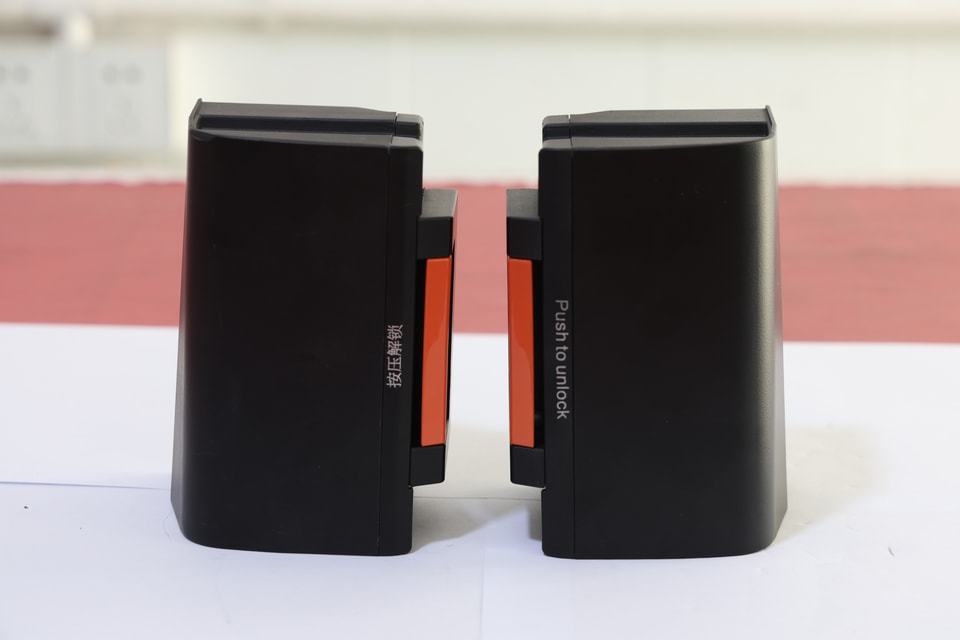
Yongchang’s current Power Wheelchair Batteries category includes several pack formats, including a product listed as a 24V 5.2Ah lithium battery. This is an example of a site-listed configuration, not a universal specification for every wheelchair. The correct voltage and capacity remain application-specific.
2. Compare Energy in Watt-Hours, Not Ah Alone
Amp-hours describe charge capacity, but watt-hours make it easier to compare energy across different voltages:
Nominal energy (Wh) = nominal voltage (V) × rated capacity (Ah)
This calculation is a useful first estimate, not a promise of usable energy or travel distance. Actual usable capacity depends on the BMS limits, discharge rate, temperature, cell condition and the wheelchair’s operating profile.
How should range be estimated?
Estimated operating time can be considered as usable battery energy divided by average system power demand. Estimated range then depends on operating time and average travel speed. In real use, range changes with user weight, gradients, road surface, ambient temperature, tire condition and pressure, driving habits and motor/controller efficiency. Buyers should therefore validate range on the complete wheelchair under representative conditions rather than rely on a fixed mileage claim.
3. Check BMS Protection and Current Capability
The battery management system is central to battery safety and integration. Ask the supplier to explain the BMS functions relevant to the application, such as monitoring and protection for overcharge, over-discharge, overcurrent, short circuit and temperature conditions. Cell balancing and fault behavior may also matter, depending on the pack design.
Current ratings require equal attention. The battery and BMS should support the wheelchair’s continuous demand as well as short peak loads during starting, turning, climbing or obstacle negotiation. Compare the controller and motor requirements with the pack’s continuous and peak discharge limits; do not infer current capability from capacity alone.
4. Evaluate Chemistry, Mechanics and Interfaces
Cell chemistry affects voltage behavior, energy density, thermal characteristics, mass and service-life expectations. Rather than choosing by chemistry name alone, define the wheelchair’s priorities and ask for an application-specific evaluation.
Mechanical integration should be reviewed with drawings or samples. Confirm:
Pack dimensions, weight, mounting method and available installation space
Connector type, polarity, cable length and current rating
Enclosure protection appropriate to the expected environment
Resistance to normal vibration and mechanical loads in the wheelchair
Access for safe installation, inspection and replacement
A pack that fits electrically but not mechanically can create reliability and service problems. Connector keying and clear labeling are also valuable controls against incorrect installation.
5. Match the Charger and Temperature Conditions
Use a charger specified for the battery chemistry, series configuration and charging limits. Connector compatibility alone does not make a charger suitable. The supplier should review charger output, charge profile and BMS interaction as part of the complete system.
Operating and charging temperatures should reflect the target markets and real user environment. Cold or hot conditions can affect available energy, power delivery and ageing. Procurement teams should request documented operating, charging and storage conditions for the proposed pack and include them in product instructions and service planning.
6. Assess Service Life with Evidence
Cycle life is meaningful only when its test conditions are stated. When comparing suppliers, ask how end of life is defined and review the charge/discharge rate, depth of discharge, temperature, rest periods and remaining-capacity threshold used in the assessment. Calendar ageing, storage state of charge, heat exposure and high-load operation can influence service life even when cycle count is modest.
For B2B purchasing, it is better to compare evidence under relevant conditions than to accept an isolated cycle number. Prototype evaluation on the actual wheelchair can reveal voltage sag, thermal behavior and usable energy that a generic specification may not show.
7. Review Supplier Quality and Traceability
A rehabilitation mobility battery should be supported by controlled design and production records. Useful procurement questions include:
Are cell, BMS and key component sources traceable by batch?
How are electrical interfaces and protection requirements documented?
What incoming, in-process and final inspections are applied?
How are changes to cells, firmware, connectors or materials controlled?
Can the supplier support design review, verification, production and field feedback?
Yongchang’s website describes a development process covering electrical architecture, BMS and interfaces, mechanical and thermal design, prototyping, verification and controlled manufacturing. Its product library also contains a dedicated Power Wheelchair Batteries category with multiple lithium battery pack formats for rehabilitation mobility applications.
Safe Use Basics
Use only a matched charger and follow the wheelchair and battery instructions.
Avoid crushing, impact, water exposure, excessive heat and unauthorized modification.
Keep connectors clean, dry and protected from accidental short circuits.
If the pack swells, develops an unusual odor, becomes abnormally hot or appears damaged, stop using and charging it, isolate it from use where safe to do so, and contact qualified service personnel.
Do not open or dismantle a battery pack without authorized professional procedures.
Frequently Asked Questions
Is a higher-Ah battery always better?
No. More capacity may increase available energy, but only if voltage, current capability, size, weight, BMS, connector and charger are compatible with the wheelchair.
Can wheelchair range be calculated from battery capacity?
It can be estimated, but not guaranteed from capacity alone. User weight, slopes, surface, temperature, tires, driving behavior and motor efficiency all affect real range.
Can I reuse an existing charger with a new lithium battery?
Only when the battery or wheelchair supplier confirms that the charger’s chemistry, voltage, current, charge profile, connector and polarity are compatible.
Conclusion
Effective wheelchair battery selection begins with system compatibility, then considers usable energy, BMS protection, current capability, mechanics, charger matching, temperature, service-life evidence and supplier traceability. Yongchang provides lithium battery solutions for electric wheelchair and broader rehabilitation mobility applications, with pack integration and development capabilities described across its website. Buyers should share complete wheelchair requirements and validate the battery as part of the finished mobility system.
read more