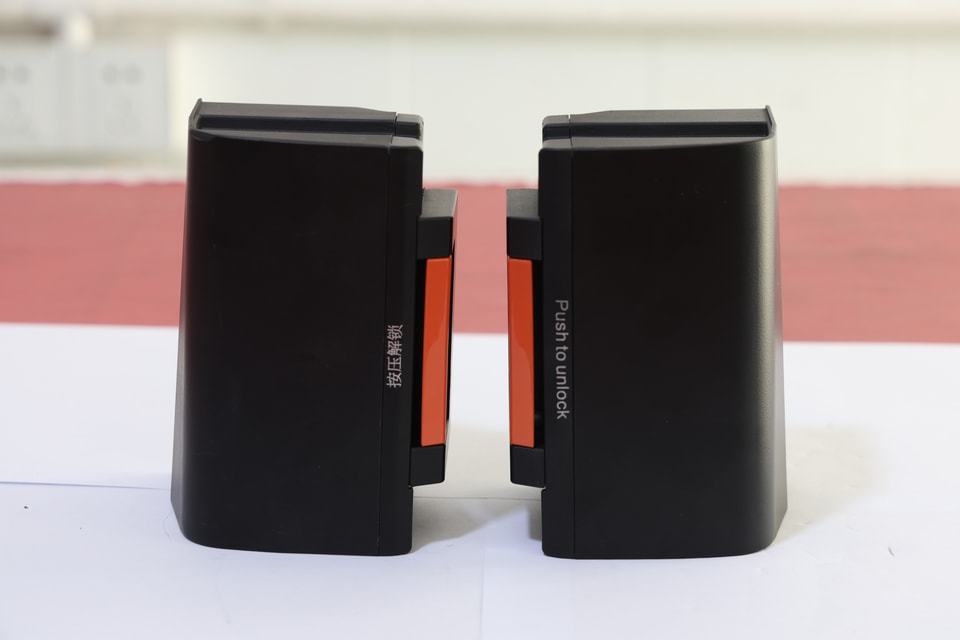
How to Choose a Lithium Battery for an Electric Wheelchair
Choosing an electric wheelchair lithium battery is a system-matching decision, not simply a search for the largest amp-hour rating. For wheelchair manufacturers, distributors and rehabilitation mobility buyers, the right pack must work safely with the motor controller, charger, enclosure and expected duty cycle. This guide explains the main questions to ask before specifying or purchasing a battery. 1. Start with Nominal Voltage Compatibility The battery’s nominal voltage must match the wheelchair’s electrical architecture and the voltage window accepted by its controller. A higher or lower label value is not automatically interchangeable. Buyers should confirm the required nominal voltage, maximum charge voltage and controller cut-off behavior with the wheelchair manufacturer before approving a pack. Yongchang’s current Power Wheelchair Batteries category includes several pack formats, including a product listed as a 24V 5.2Ah lithium battery. This is an example of a site-listed configuration, not a universal specification for every wheelchair. The correct voltage and capacity remain application-specific. 2. Compare Energy in Watt-Hours, Not Ah Alone Amp-hours describe charge capacity, but watt-hours make it easier to compare energy across different voltages: Nominal energy (Wh) = nominal voltage (V) × rated capacity (Ah) This calculation is a useful first estimate, not a promise of usable energy or travel distance. Actual usable capacity depends on the BMS limits, discharge rate, temperature, cell condition and the wheelchair’s operating profile. How should range be estimated? Estimated operating time can be considered as usable battery energy divided by average system power demand. Estimated range then depends on operating time and average travel speed. In real use, range changes with user weight, gradients, road surface, ambient temperature, tire condition and pressure, driving habits and motor/controller efficiency. Buyers should therefore validate range on the complete wheelchair under representative conditions rather than rely on a fixed mileage claim. 3. Check BMS Protection and Current Capability The battery management system is central to battery safety and integration. Ask the supplier to explain the BMS functions relevant to the application, such as monitoring and protection for overcharge, over-discharge, overcurrent, short circuit and temperature conditions. Cell balancing and fault behavior may also matter, depending on the pack design. Current ratings require equal attention. The battery and BMS should support the wheelchair’s continuous demand as well as short peak loads during starting, turning, climbing or obstacle negotiation. Compare the controller and motor requirements with the pack’s continuous and peak discharge limits; do not infer current capability from capacity alone. 4. Evaluate Chemistry, Mechanics and Interfaces Cell chemistry affects voltage behavior, energy density, thermal characteristics, mass and service-life expectations. Rather than choosing by chemistry name alone, define the wheelchair’s priorities and ask for an application-specific evaluation. Mechanical integration should be reviewed with drawings or samples. Confirm: Pack dimensions, weight, mounting method and available installation space Connector type, polarity, cable length and current rating Enclosure protection appropriate to the expected environment Resistance to normal vibration and mechanical loads in the wheelchair Access for safe installation, inspection and replacement A pack that fits electrically but not mechanically can create reliability and service problems. Connector keying and clear labeling are also valuable controls against incorrect installation. 5. Match the Charger and Temperature Conditions Use a charger specified for the battery chemistry, series configuration and charging limits. Connector compatibility alone does not make a charger suitable. The supplier should review charger output, charge profile and BMS interaction as part of the complete system. Operating and charging temperatures should reflect the target markets and real user environment. Cold or hot conditions can affect available energy, power delivery and ageing. Procurement teams should request documented operating, charging and storage conditions for the proposed pack and include them in product instructions and service planning. 6. Assess Service Life with Evidence Cycle life is meaningful only when its test conditions are stated. When comparing suppliers, ask how end of life is defined and review the charge/discharge rate, depth of discharge, temperature, rest periods and remaining-capacity threshold used in the assessment. Calendar ageing, storage state of charge, heat exposure and high-load operation can influence service life even when cycle count is modest. For B2B purchasing, it is better to compare evidence under relevant conditions than to accept an isolated cycle number. Prototype evaluation on the actual wheelchair can reveal voltage sag, thermal behavior and usable energy that a generic specification may not show. 7. Review Supplier Quality and Traceability A rehabilitation mobility battery should be supported by controlled design and production records. Useful procurement questions include: Are cell, BMS and key component sources traceable by batch? How are electrical interfaces and protection requirements documented? What incoming, in-process and final inspections are applied? How are changes to cells, firmware, connectors or materials controlled? Can the supplier support design review, verification, production and field feedback? Yongchang’s website describes a development process covering electrical architecture, BMS and interfaces, mechanical and thermal design, prototyping, verification and controlled manufacturing. Its product library also contains a dedicated Power Wheelchair Batteries category with multiple lithium battery pack formats for rehabilitation mobility applications. Safe Use Basics Use only a matched charger and follow the wheelchair and battery instructions. Avoid crushing, impact, water exposure, excessive heat and unauthorized modification. Keep connectors clean, dry and protected from accidental short circuits. If the pack swells, develops an unusual odor, becomes abnormally hot or appears damaged, stop using and charging it, isolate it from use where safe to do so, and contact qualified service personnel. Do not open or dismantle a battery pack without authorized professional procedures. Frequently Asked Questions Is a higher-Ah battery always better? No. More capacity may increase available energy, but only if voltage, current capability, size, weight, BMS, connector and charger are compatible with the wheelchair. Can wheelchair range be calculated from battery capacity? It can be estimated, but not guaranteed from capacity alone. User weight, slopes, surface, temperature, tires, driving behavior and motor efficiency all affect real range. Can I reuse an existing charger with a new lithium battery? Only when the battery or wheelchair supplier confirms that the charger’s chemistry, voltage, current, charge profile, connector and polarity are compatible. Conclusion Effective wheelchair battery selection begins with system compatibility, then considers usable energy, BMS protection, current capability, mechanics, charger matching, temperature, service-life evidence and supplier traceability. Yongchang provides lithium battery solutions for electric wheelchair and broader rehabilitation mobility applications, with pack integration and development capabilities described across its website. Buyers should share complete wheelchair requirements and validate the battery as part of the finished mobility system.
Read Article ↗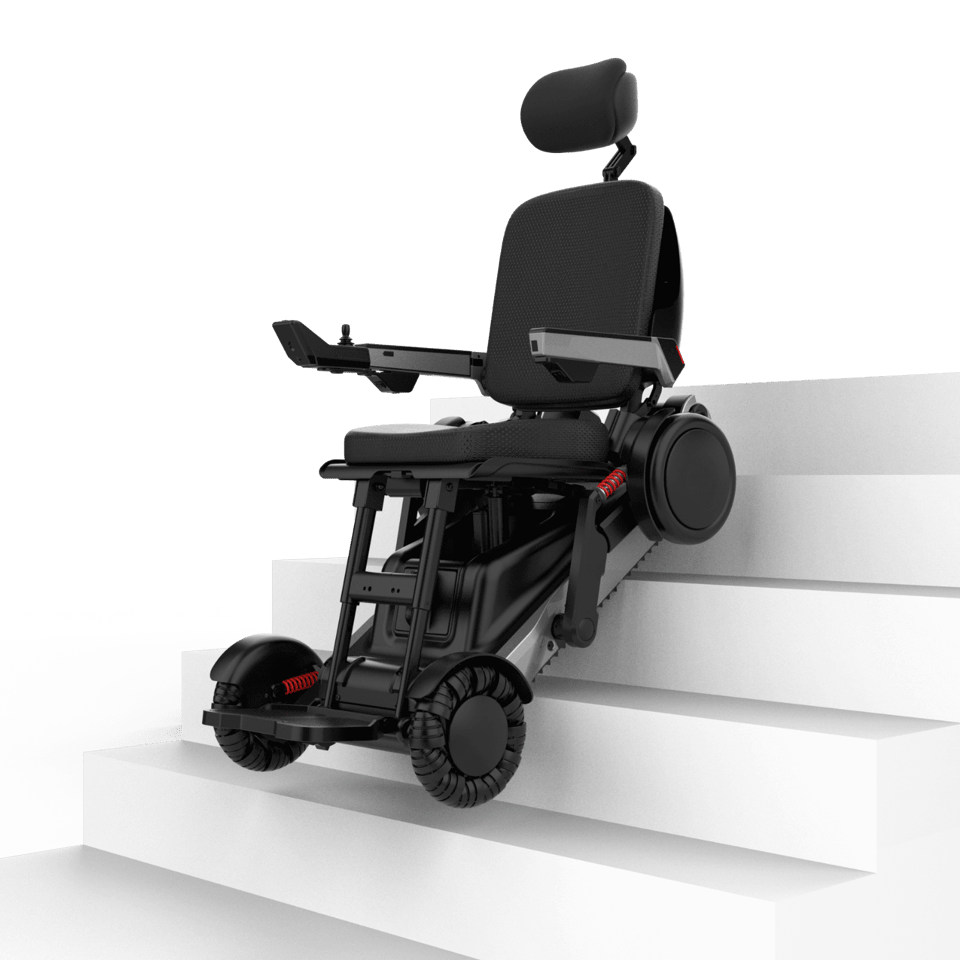
Jiangsu Yongchang Selected to Help Develop New National Standard for Electric Wheelchair Lithium Batteries
Jiangsu Yongchang New Energy Technology Co., Ltd. has been selected as a participating organization in the development of a new national standard for lithium batteries used in electric wheelchairs. The selection recognizes the company’s practical experience in battery technology, manufacturing, and application support for rehabilitation mobility equipment. Why Standardization Matters for Rehabilitation Mobility Electric wheelchairs, including mobility products designed to operate on stairs, place demanding requirements on their energy systems. A battery pack must support dependable power delivery while fitting within the product’s space, weight, and operating constraints. Safety, reliability, usable range, cycle life, environmental adaptability, and well-managed charging and discharging are therefore important considerations throughout battery design, production, integration, and service. A national standard for this application is expected to support a clearer and more consistent quality baseline across the industry. Areas such standards commonly address may include safety performance, electrical characteristics, durability, environmental conditions, labeling, testing, and battery management. The exact scope and technical provisions will be determined through the formal standard-development process; the standard number and official title have not been disclosed in this announcement. Contributing Practical Battery Expertise As a participating organization, Jiangsu Yongchang will contribute its practical experience in electric wheelchair battery research and development, battery management systems (BMS), pack integration, manufacturing quality control, and application support. This contribution will focus on helping the standardization process consider the real operating conditions and integration challenges encountered by mobility equipment manufacturers and users. Battery performance in a rehabilitation mobility product depends on more than cell selection alone. The pack structure, BMS strategy, thermal and electrical protection, connector and interface design, production consistency, and compatibility with the host equipment all affect real-world results. Drawing on its experience across these areas, Yongchang aims to provide measured, application-oriented input without overstating conclusions that remain subject to the formal drafting and review process. Expected Value for the Industry Greater consistency in electric wheelchair lithium batteries is expected to benefit equipment manufacturers, battery suppliers, service partners, and end users. A shared technical reference can help strengthen quality expectations, support more effective supplier communication, and improve alignment between battery packs and mobility platforms. Over time, this can contribute to user safety, more predictable product performance, and better coordination across the supply chain. Standardization can also support the long-term competitiveness of China’s rehabilitation mobility and battery industries. Common evaluation principles make it easier for manufacturers to compare performance, manage quality, and communicate technical requirements. They may also provide a stronger foundation for continued product improvement and for engagement with international customers who expect traceable, consistent, and professionally managed battery solutions. Continued Commitment to Quality and Customers Jiangsu Yongchang views its selection as both recognition and responsibility. The company will continue investing in battery research, verification and testing, manufacturing quality, and responsive customer service. It will also work with relevant participants in a professional and evidence-based manner as the new national standard is developed. Through continued attention to battery safety, system compatibility, production consistency, and application needs, Yongchang remains committed to supporting reliable lithium battery solutions for electric wheelchairs and the broader rehabilitation mobility sector.
Read Article ↗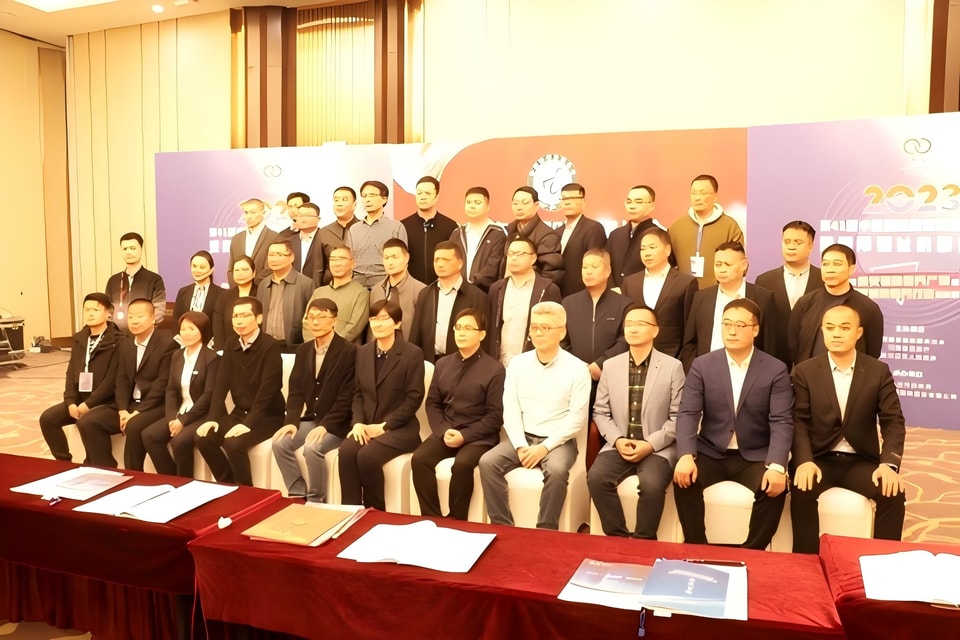
The 41st China International Exhibition on Rehabilitation Aids and International Welfare Equipment Expo Grandly Opens
On the morning of April 1, the 41st China International Rehabilitation Assistive Devices Industry & International Welfare Equipment Expo (hereinafter referred to as the "Rehab Expo") grandly opened. The 41st Rehab Expo, themed "Building a New Development Pattern for the Rehabilitation Assistive Devices Industry and Promoting High-Quality Development of the Sector," is fully committed to creating a platform for exchange and cooperation in rehabilitation assistive devices. The Expo features three exhibition zones: the Rehabilitation Equipment and Medical Device Pavilion, the Prosthetics, Orthotics and Mobility Aids Pavilion, and the Smart Elderly Care and Comprehensive Innovation Pavilion. With a total exhibition area of 30,000 square meters, the event has attracted over 320 renowned manufacturers and brands from countries including China, the United States, the United Kingdom, Germany, Japan, Iceland, and Belgium, as well as from China's Hong Kong, Macao, and Taiwan regions. Jiangsu Yongchang New Energy Technology Co., Ltd., representing battery manufacturers in the wheelchair industry of the China Association of Assistive Products, took the stage to deliver a speech. The company will continue to devote itself to providing professional advice and support for the national standardization of batteries for wheelchairs and other rehabilitation assistive devices, raising the industry's quality standards, and delivering higher-quality products and services to the development of China's wheelchair industry.
Read Article ↗ YC RESOURCE CENTER
Use our insights to prepare a better battery brief.
Useful battery content should help buyers frame decisions—not only report company updates. Explore practical topics before starting a custom project.

Jiangsu Yongchang New Energy Technology Co., Ltd. and Shanghai YC Electrotech Co., Ltd. deliver certified lithium battery solutions backed by 15 years of experience, a 30,000 m² manufacturing base and exports to 100+ countries and regions.
NAVIGATION
CERTIFICATIONS
- CE & CCC
- IEC 62133 & GB/T 28164
- UN38.3 & MSDS
- RoHS, CB & REACH
CONTACT US
- Gaoqiao, Houxian, Danbei Town, Danyang City, Jiangsu Province 212300, China
- Tel: +86 511 8639 1768
+86 189 5282 5827
+86 189 1283 8663 - Email: contact@yc-batteries.com
- Web: www.yc-batteries.com